
How to Design an Inclusive Playground for All Ages and Abilities
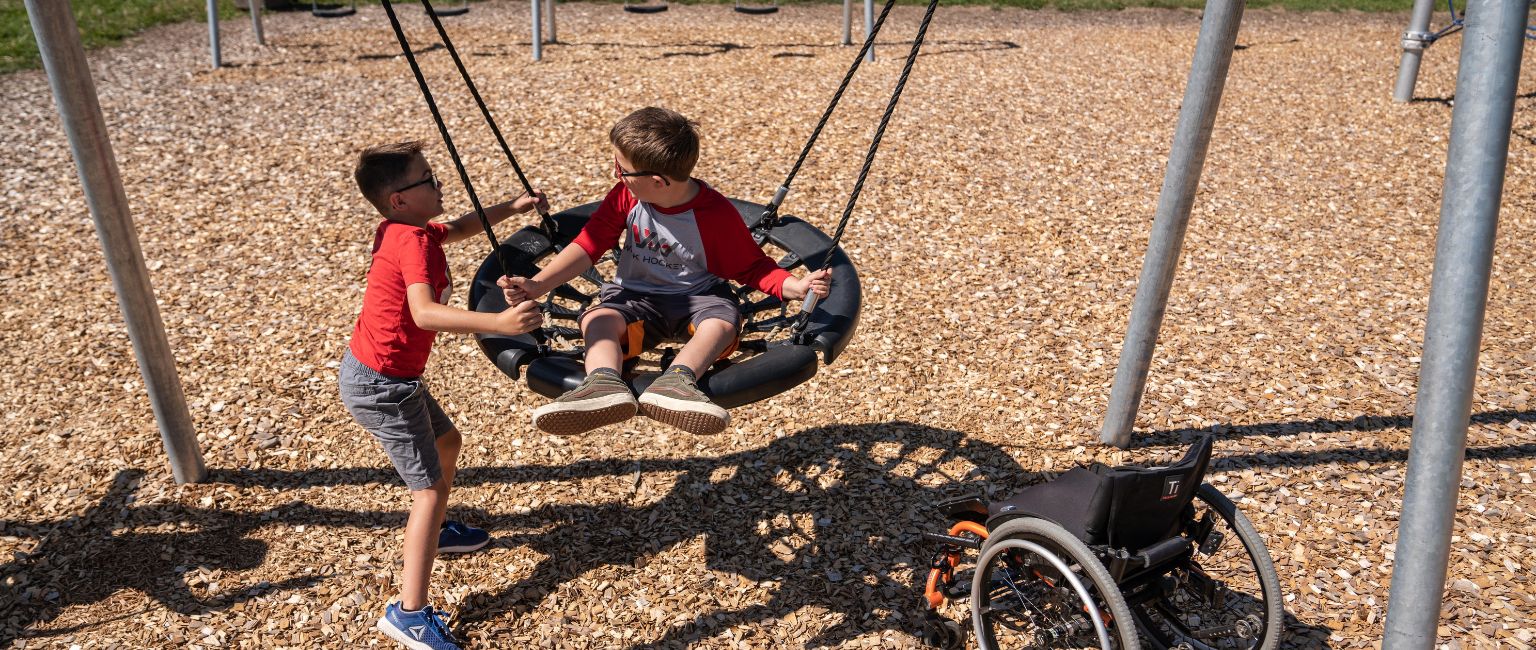
Playgrounds work best when everyone is invited to play. Truly inclusive playgrounds are designed to welcome kids of all ages and abilities, giving them space to jump in, explore, and connect in ways that feel natural and fun. They also consider parents and caregivers, creating environments that feel comfortable, welcoming, and easy to spend time in. Inclusive playground design is about building spaces that reflect real community needs and support many ways to play.
At Parkworks, our design teams have been creating inclusive playgrounds for years. We know how to balance big ideas with site realities and community input to create play spaces that bring people together. Inclusive design is not an add-on or an afterthought. It is a core part of how we approach every playground and park project.
What Inclusive Playground Design Actually Looks Like
Inclusive playground design goes beyond meeting minimum accessibility standards. While accessibility is essential, truly inclusive designs focus on how play is experienced, how kids move through a space, and how easily they can join in. At Parkworks, inclusive design starts by considering the full range of play experiences - physical, sensory, cognitive, and social - and intentionally weaving them together into one cohesive space.
Great inclusive playgrounds are built around choice. Kids should be able to decide how they play, whether that means climbing and racing, exploring sensory features, or taking a quieter moment without leaving the playground entirely. Thoughtful layouts, clear pathways, and a mix of high-energy and calmer play zones help kids move confidently through the space and play in ways that feel right for them.
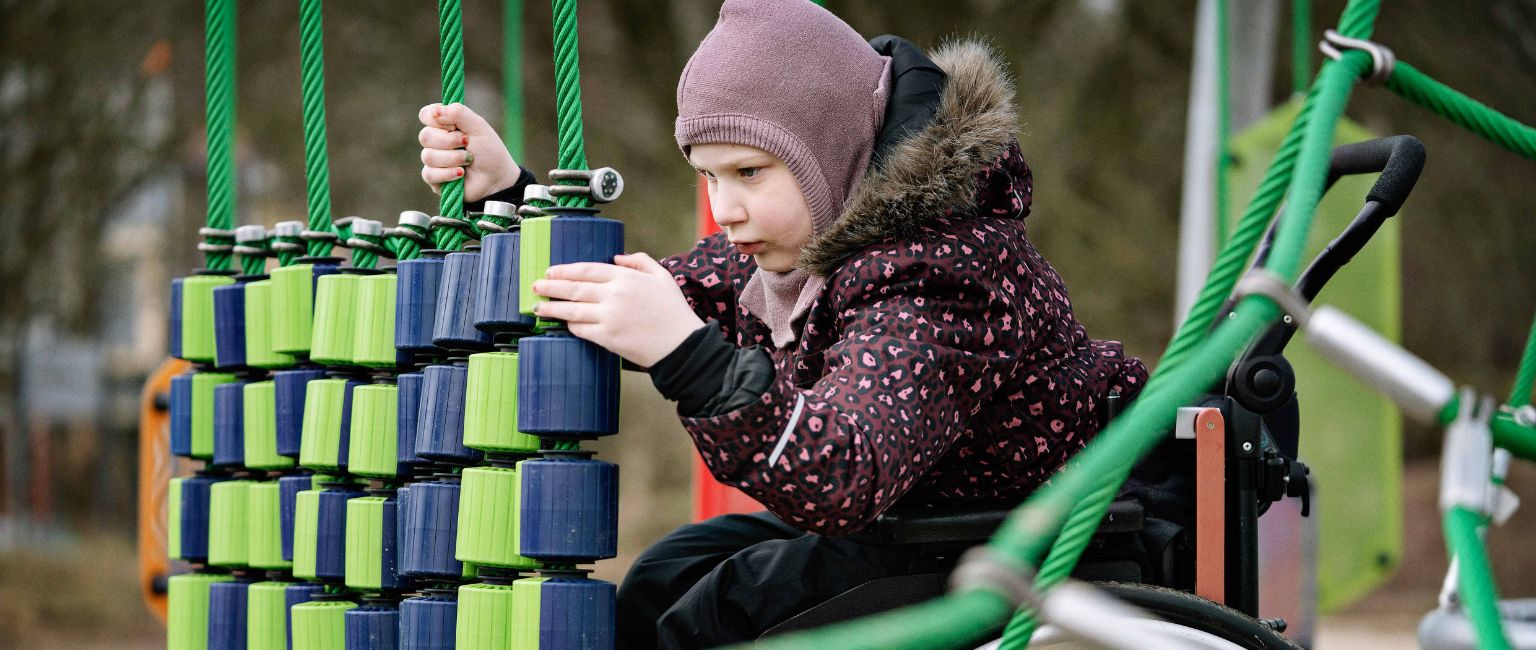
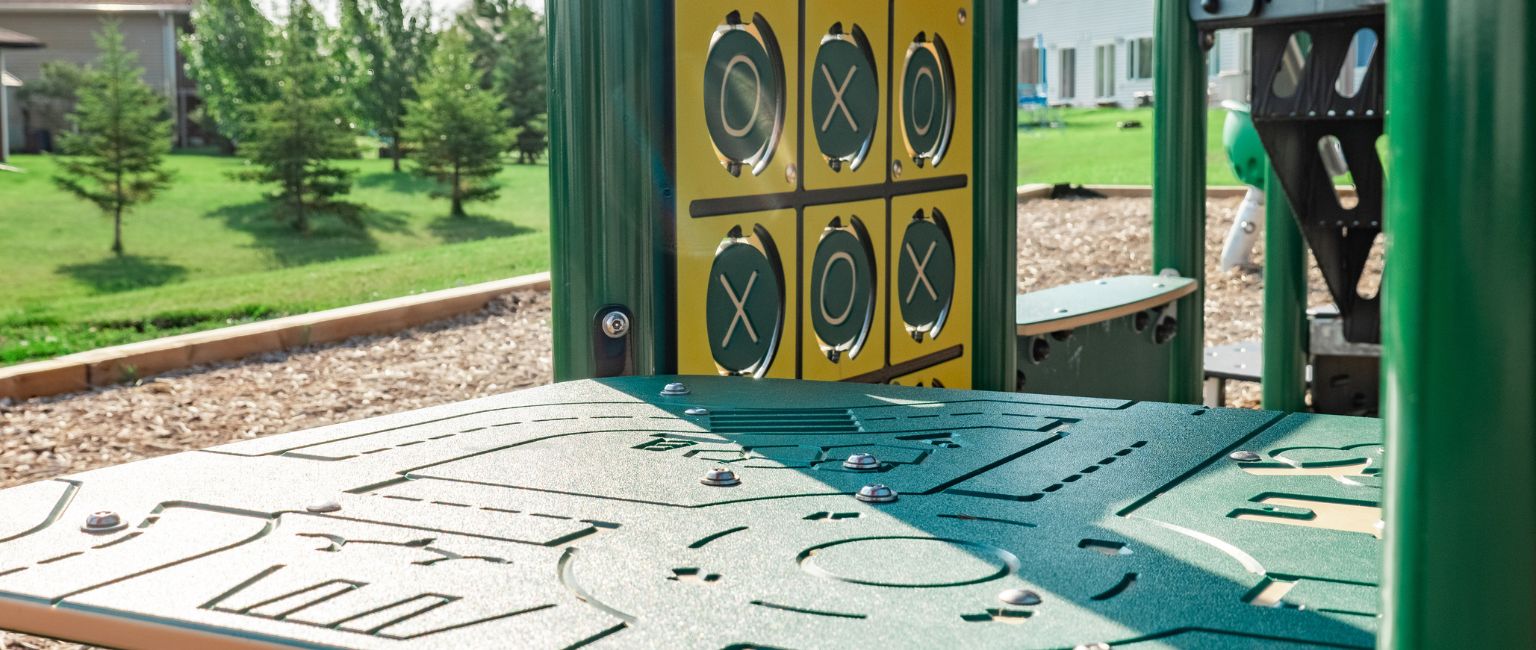
Sensory play features add depth and variety to inclusive playgrounds. Textures to touch, movement to explore, sounds to discover, and visual elements that catch the eye create richer play experiences for everyone. When these features are designed with intention, they support dignity, independence, and shared play, encouraging kids to play side by side and engage with the space repeatedly.
Designing Inclusive Playgrounds for All Ages and Ways of Play
Kids may be the focus of playgrounds, but inclusive design looks beyond the equipment itself. Parents, caregivers, and even grandparents are part of the experience too. That is why Parkworks designs playgrounds and parks with the whole community in mind, making space for everyone to feel comfortable, welcome, and connected. Seating, shade, and clear sightlines help caregivers stay close to the action while giving kids the freedom to explore.
Inclusive playgrounds also work best when there is a balance of energy. High action play structures invite movement and challenge, while sensory features and quieter spaces provide opportunities to slow down, reset, and play in different ways. This balance gives kids the flexibility to move between play styles as their needs change throughout the day.
Designing for a wide range of ages, abilities, and play preferences, Parkworks creates playgrounds that grow with the community. These are spaces that stay engaging over time, welcoming families back again and again while supporting play that feels natural, inclusive, and fun.
Inclusive Design Goes Beyond the Play Equipment
Inclusive design is more than what kids play on. It is also about how they move through and engage with the play space. Elements beyond the equipment itself play a major role in creating a playground that feels accessible, intuitive, and welcoming.
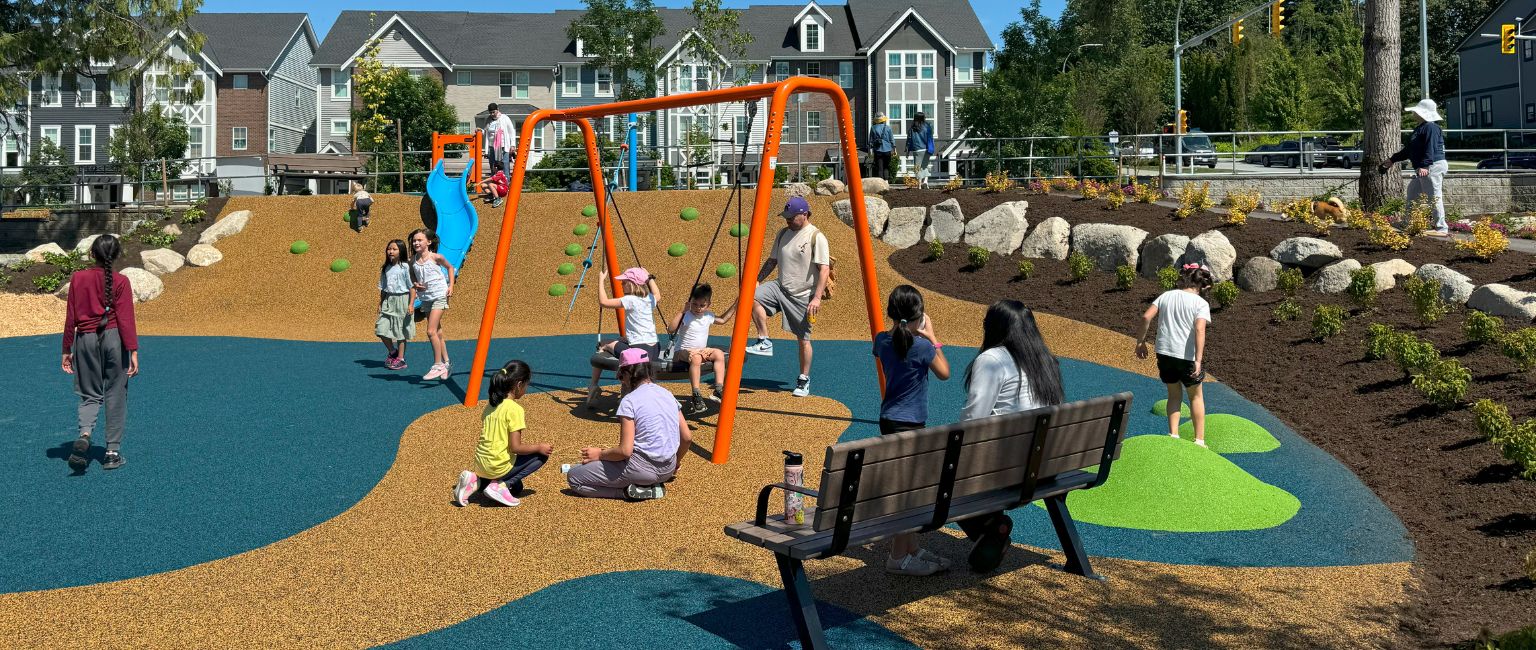
Playground surfacing is one of the most important foundations of inclusive design. Options like pour-in-place rubber create smooth, durable surfaces that support mobility devices, strollers, and walkers, while also improving safety and long-term performance. When surfacing and circulation routes are thoughtfully planned together, kids can move independently and confidently throughout the playground.
Other supporting park features help bring the space together. Seating and shade placed in the right locations support longer visits and easier supervision, while landscaping can help guide movement, define play zones, and create visual or sensory relief.
Why Process and Expertise Matter
Great inclusive playgrounds do not happen by accident. They start by listening - understanding who will use the space, how they will move through it, and what the community needs most helps inform better design decisions from the start. That is why community input, site analysis, and thoughtful planning are central to the Parkworks design process.
Our experienced design teams work closely with clients to turn ideas, goals, and site realities into practical, creative solutions. From layouts that support smooth circulation to colour and graphic choices that improve visibility and wayfinding, every detail is considered through an inclusive lens. The result is a space that is easier to navigate, more engaging to play in, and more welcoming for everyone.
Why Good Inclusive Playground Design Is Just Good Design
Inclusive design shows up in both big ideas and small details. It might be a basket swing that encourages shared play, a structure that blends physical and sensory experiences, or a quiet nook where kids can take a break without leaving the playground. These choices help create spaces that work for more people, more of the time.
When inclusivity is built into the design from the start, playgrounds become more flexible, resilient, and enjoyable to use. They support independence, spark creativity, and invite kids to play in ways that feel right for them. At its core, inclusive playground design is simply good design, creating play spaces that stand the test of time and continue to bring communities together.

Inclusive playground design is about designing with people in mind, not limits. When spaces are thoughtfully planned, they invite more movement, more connection, and more confidence for everyone who shows up to play. The result is a playground that feels intuitive, welcoming, and full of possibility. With the right expertise and collaboration, inclusive design becomes a powerful way to bring communities together. At Parkworks, this is where we do our best work, partnering with communities to create play spaces that work better, last longer, and keep everyone coming back for more.