
The power of play: how playgrounds build stronger neighbourhoods
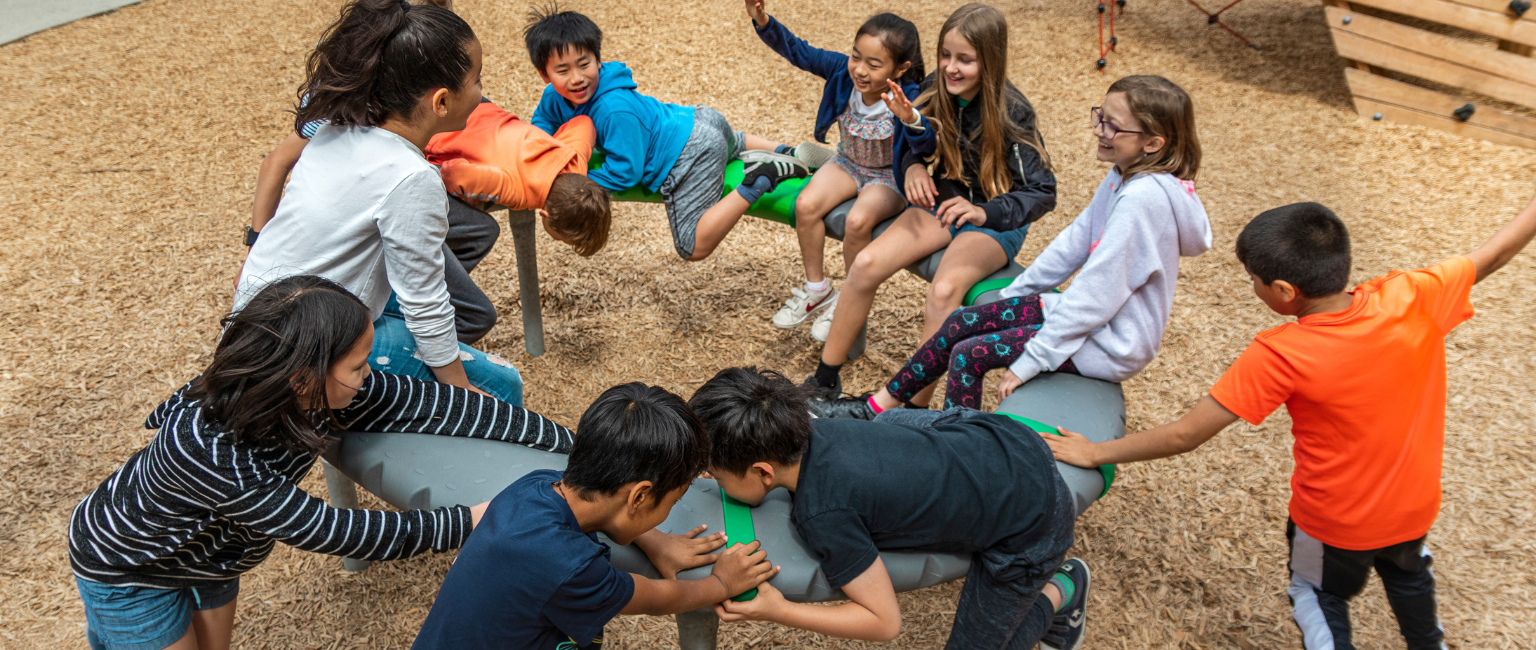
Playgrounds may be designed for play, but their impact reaches far beyond the play structures themselves. A thoughtfully planned playground can become one of the most active, welcoming, and well-loved places in a neighbourhood.
Yes, playgrounds give children space to climb, swing, slide, spin, and explore. But they also give families a reason to gather. They create places where caregivers connect, neighbours become familiar, and communities build shared memories over time.
Strong playgrounds do not happen by chance. They are shaped by intentional decisions around access, comfort, challenge, visibility, inclusion, durability, and the way people move through a space. When all these elements work together, a playground becomes more than a fun place to visit. It becomes a community destination people are excited to return to again and again.
That is the power of play: it connects people, supports healthy development, and helps build stronger, more welcoming neighbourhoods.
Playgrounds create places for people to connect
It is easy to think of a playground as a place where children run and play. But great playgrounds also work as social infrastructure. They create natural opportunities for community members to recognize one another, start conversations, and build trust through small, everyday interactions.
The magic of a playground often shows up in the simplest moments: a child making a new friend at the slide, a caregiver recognizing another family from last week, or a grandparent finding a comfortable place to watch the action unfold. These moments may feel small, but over time they help create a stronger sense of belonging.
Playgrounds also create common ground for families who may not otherwise meet. Children often connect through play before they connect through language, background, or shared experiences. When a playground supports a wide range of ages, abilities, and play styles, it becomes a place where more people feel welcome.
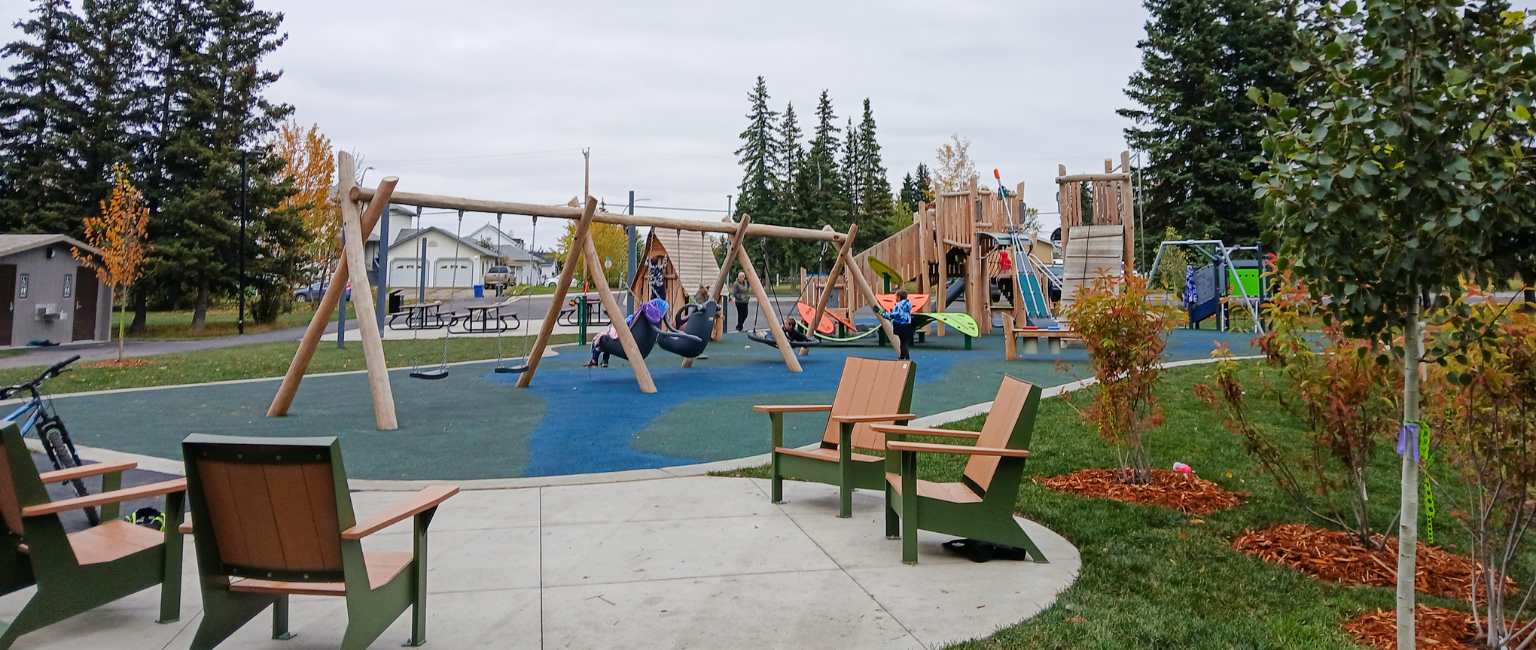
For a playground to serve the whole neighbourhood, the design needs to factor in more than just the equipment. Fun and challenging play features matter, but so do comfortable seating areas, shade, accessible pathways, clear sightlines, and spaces for caregivers to gather. When these elements work together, playgrounds become more than another amenity. They become part of the neighbourhood’s identity.
Community pride grows from spaces people use, enjoy, and feel connected to. A well-designed playground can become a local landmark, especially when it reflects the character of the community through colours, materials, themes, landscape design, or gathering areas. Investing in these spaces sends a clear message: children, families, and public life matter here, and municipalities want to create spaces where everyone feels like they belong.
Play supports health, confidence, and inclusion
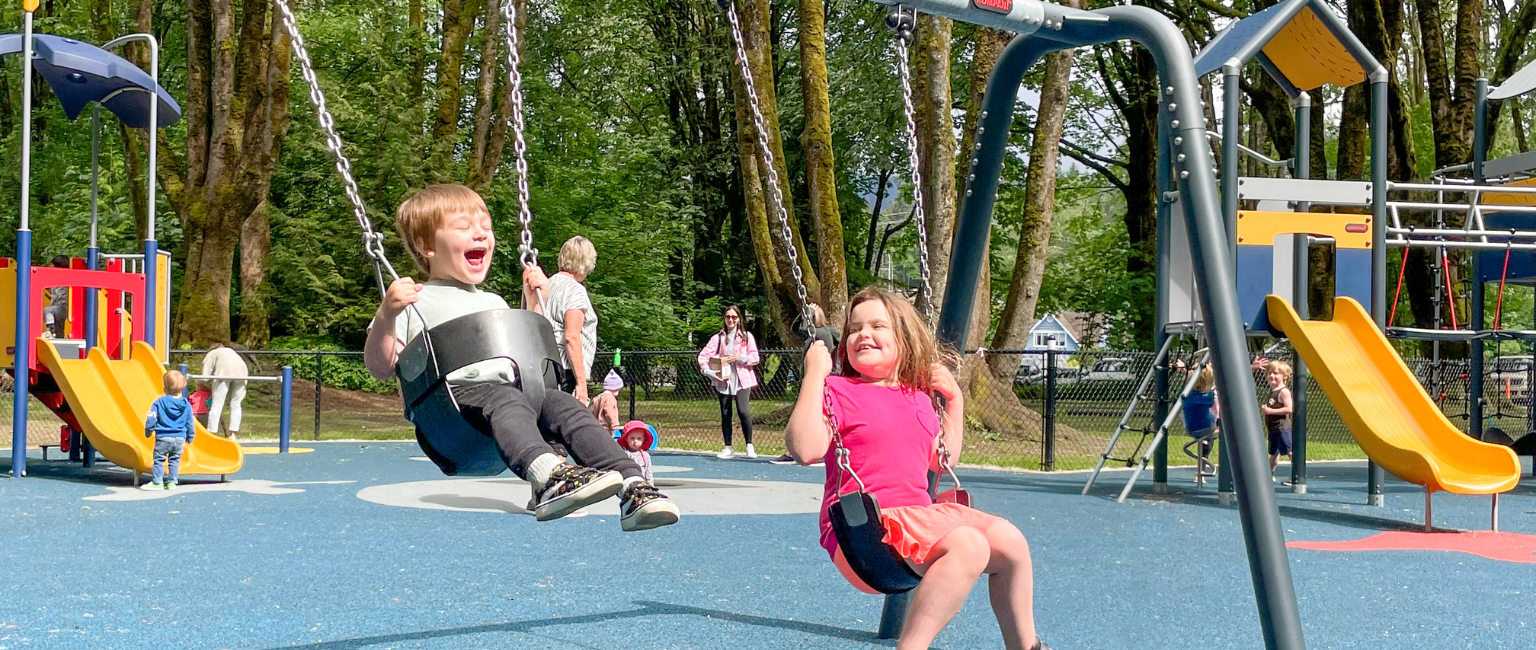
Playgrounds are powerful places for child development. As children climb, balance, swing, spin, and slide, they are building strength, coordination, confidence, and resilience. Age-appropriate challenges help children test their limits, practice decision-making, and learn what their bodies can do.
Outdoor play also encourages children to move in ways that feel natural and joyful. Instead of structured activity, playgrounds give kids the freedom to explore, imagine, problem-solve, and interact with others on their own terms. Being outdoors also helps reduce screen time, challenging kids to create their own adventures and fun while enjoying the fresh air.
That imaginative side of play is just as important. On the playground, children create stories, negotiate roles, solve conflicts, take turns, and collaborate with their peers. These social and emotional skills support how children learn, communicate, and build relationships, and are foundational in their development.
Inclusive design makes those benefits available to more people. While accessible play features such as ramps, transfer points, ground-level activities, and sensory elements are important, accessibility is not only about the equipment. A strong, inclusive playground considers children with diverse physical, sensory, cognitive, and social needs. It also considers caregivers, grandparents, siblings, and community members who may experience the space differently. When a playground is designed with more people in mind, it becomes easier for families to stay, participate, and return again and again.
Thoughtful design turns playgrounds into community hubs
A playground that is designed with the community in mind does more than fill a space. It creates a destination.
At Parkworks, this is where thoughtful playground planning begins: with the people who will use the space, the community it serves, and the long-term value it needs to deliver. The strongest playgrounds are not just exciting on day one. They continue to support movement, connection, and belonging for years into the future. Comfort plays a major role in that success.
People are more likely to stay longer when a playground feels easy to access, comfortable to use, and enjoyable for the whole family. Children need play features that offer the right level of challenge. Caregivers need places to sit, supervise, connect, and relax. Families benefit from shade, gathering areas, pathways, and nearby amenities that make visits more comfortable.
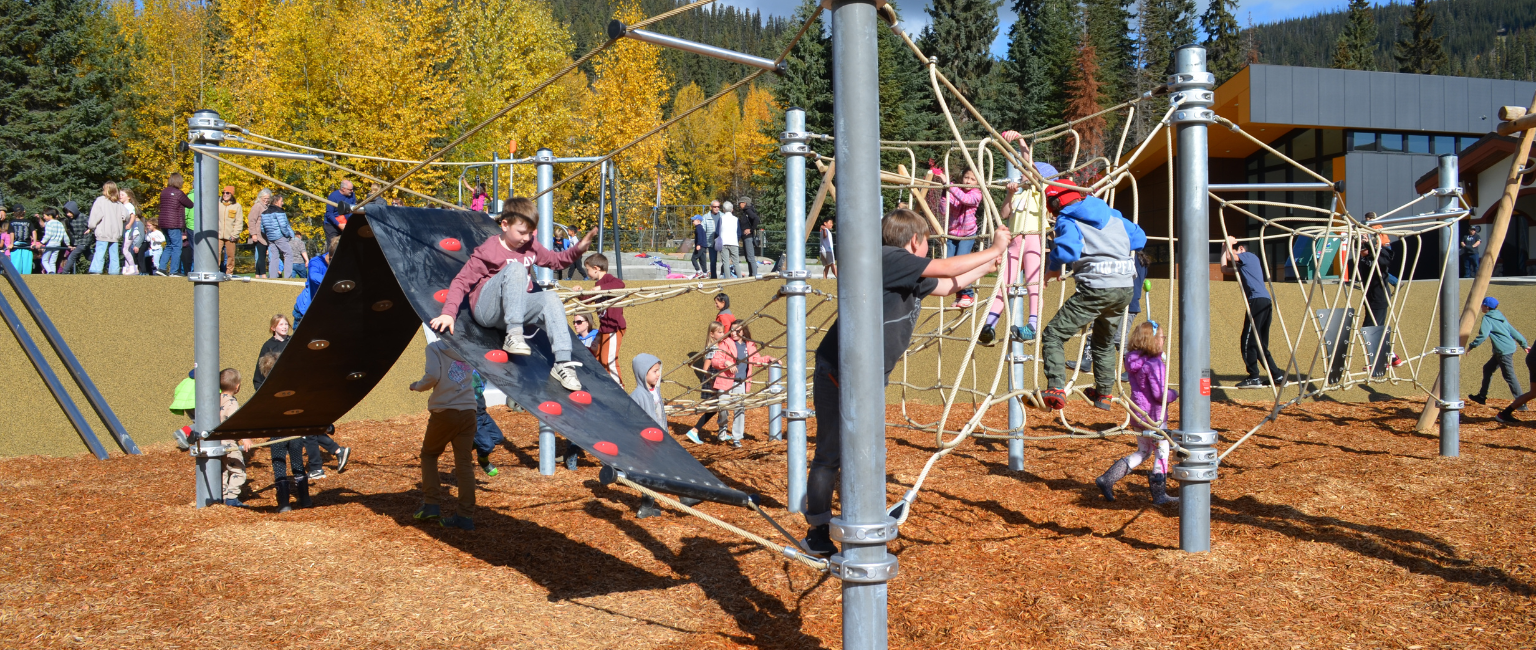
Playgrounds can also support multi-generational use when they are planned as part of a larger park experience. Outdoor fitness equipment, seating clusters, open lawn areas, walking paths, and site furnishings can encourage parents, caregivers, grandparents, and older siblings to engage with the space too. The stronger the full experience, the more useful the playground becomes to the broader neighbourhood and every generation.
Long-term planning is just as important as grand opening day. A playground should be built to serve the community now and continue delivering value for years to come. That means asking bigger questions early in the planning process. Who will use this space? How will they move through it? What barriers need to be removed? What types of play are missing in the neighbourhood? How can the design support families, caregivers, and children as community needs change?
A well-planned playground has a much more meaningful long-term impact than one that simply checks a box. It supports daily use, encourages connection, and helps create an exciting public space that people genuinely value and use.
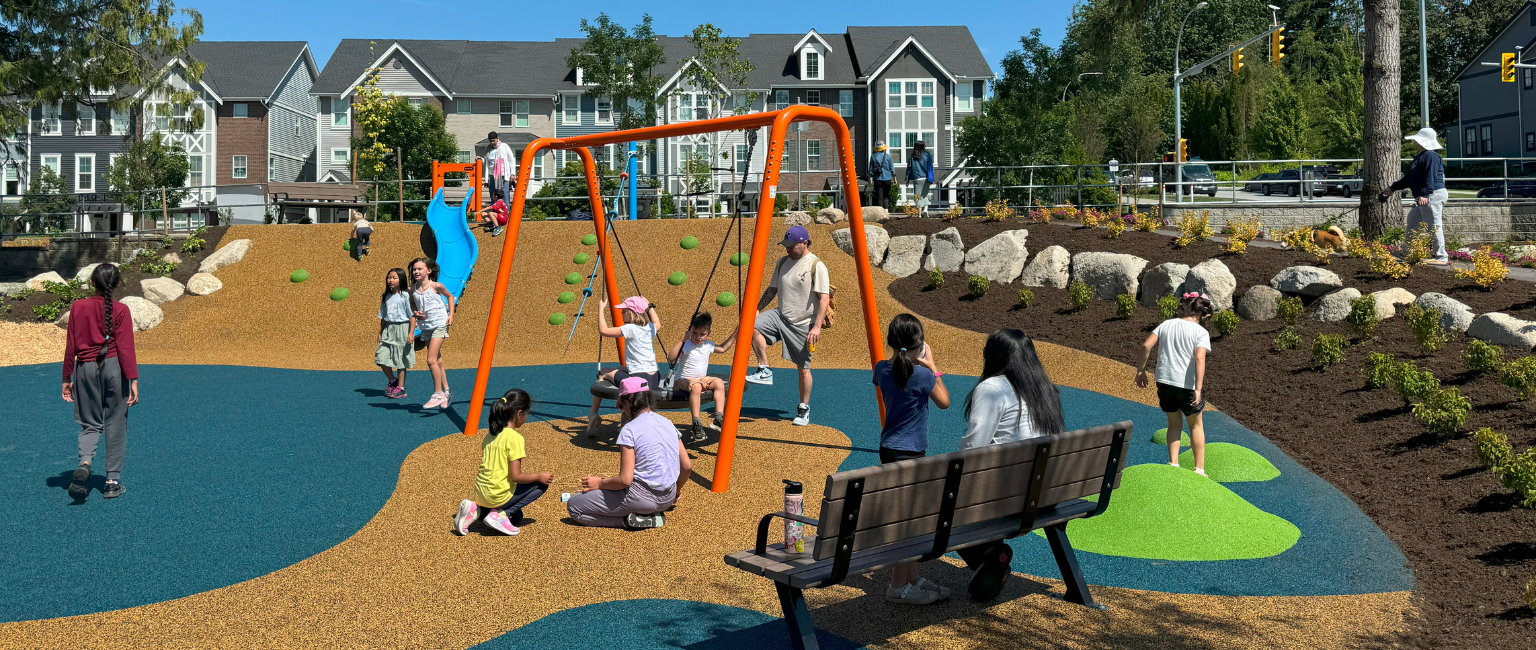
At Parkworks, we see playgrounds as part of the larger story of community-building. When communities invest in thoughtful play spaces, they create places where children grow, neighbours meet, and families feel proud to spend time. That is the power of play: it turns everyday outdoor spaces into shared destinations that help neighbourhoods feel more connected, more welcoming, and more alive.